Tag: Healthcare App Development

  • How Digital Healthcare Solutions Transforming Patient Care in USA
    How Digital Healthcare Solutions Transforming Patient Care in USA

    Just picture this: you ask your smart speaker. How can I manage my health from home? and you immediately receive a virtual doctor visit or a health app tailored to your needs. This is the current situation of digital healthcare solutions in the USA. Where technology is transforming the patient care revolution in America.

    The innovations resulting from telemedicine platforms. To wearable health devices are empowering the healthcare sector to become more accessible, less time-consuming, and better equipped to satisfy individual needs.

    People in cities such as New York, Los Angeles, and Chicago are enjoying a healthcare innovation in the United States that is all about ease and results.

    This blog discusses the new digital healthcare solutions. That are providing better patient care all over the country. It elaborates on their advantages, characteristics, and the ways they affect local communities.

    Patient Care Evolution in USA Via Digital Healthcare Solutions

    Telehealth Impact on Patient Outcomes

    Ever wish you could just skip the whole “sit in a waiting room for an hour” thing and see a doctor from your couch?  Yes! It’s a game-changer. Telemedicine platforms are the circumstances. That complete the act of meeting a doctor. It is decidedly the best way for patients to reach healthcare providers.

    Whether in rural areas such as Montana or urban hubs like Atlanta, Patients can use telehealth to talk to specialists. No more three-hour drives just to get your blood pressure check. According to a 2023 study, telehealth also brought down hospital readmissions by 20% for chronic conditions like diabetes.

    Remote Patient Monitoring (RPM) for Proactive Care

    Imagine if your doctor could detect health problems at an early stage before they get worse? Remote patient monitoring (RPM) is one such technology that involves gadgets such as smart glucometers and blood pressure cuffs to record health parameters instantly.

    Seattle is a city where RPM setups enable physicians to keep an eye on old patients with heart problems. And recent data shows that such situations have led to a 15% reduction in emergency visits. 

    These instruments make proactive health monitoring a powerful tool. The patients are given a sense of being in charge as they are aware of the continuous monitoring of their health. Which helps in better chronic disease management 

    Artificial intelligence in Healthcare Diagnosis/Treatment

    Artificial intelligence has a great impact on healthcare. Which is reflecting in improve diagnostic accuracy. An example is that in hospitals across Houston, AI in healthcare diagnosis/treatment performs medical imaging analysis for early cancer detection with 95% accuracy, which is beyond human capability.

    In addition, AI personalizes patient treatment plans based on patient data. Which results in patient data-driven patient outcomes. A case in point is a Chicago-based hospital. Which deploys AI in customizing chemotherapy regimens that facilitate patient recovery.

    Key Features & Tricks of Digital Healthcare Solutions

    Key Features of Digital Healthcare Solutions

    Wearable Health Devices: Benefits for Better Chronic Disease Management

    Wearable health devices that are in the form of a Fitbit. And an Apple Watch have a lot of functionalities beyond fitness apps for tracking and are still lifesaving.

    In San Francisco, people with high blood pressure are using wearable devices to keep track of their heart rate and activity. Also, they share the data with their doctors through mobile health apps (mHealth).

    A survey conducted in 2024 is revealing that 60% of the American people who use wearables wrote that these devices made them experience improve habits. Thus the patient experience was improve.

    Electronic Health Records (EHR) Digital Solutions for Streamlined Workflows

    Electronic Health Records (EHR)  systems are design to digitally store patients’ records. And make them available for providers all over the country.

    In New York City, a hospital has implemented EHRs to not only reduce errors in administrative work. But also to manage streamlined administrative workflows and thus contribute to the gains in efficiency.

    Patients are the main beneficiaries of the coordinated care which allows specialists in different states to work together without any hurdles. 

    Mobile Health Apps (mHealth) and Therapeutics Adoption by Digital Healthcare Solutions

    Mobile health apps (mHealth) are utterly revolutionizing the way that Americans relate to their health. MyChart is one such doctor on demand app like, that facilitates communication between the doctor and the patient in Los Angeles by enabling the patients to schedule appointments, see test results, and send messages to the doctors.

    Global mhealth Market

    You can also read: Real cost of developing healthcare app in USA 2025.

    Digital therapeutics such as mental health apps are hot today. A Denver-based clinic is an example where a mental health app helped increase patient engagement technology by 25% after incorporating it into treatment plans.

    Benefits of Digital Healthcare Solutions in the USA

    Improved Patient Access to Care

    Digital healthcare solutions enable people to access quality care without interruption. In the rural areas of Texas, where the number of clinics is sparse, telemedicine platforms still allow patients to get healthcare app development services on time. Urban dwellers in Philadelphia benefit from 24/7 virtual urgent care, which reduces wait times. Such accessibility is vital for the underserved communities, as it not only provides them with health services but also ensures a fair healthcare innovation in the United States.

    Enhanced Doctor-Patient Communication

    Online platforms enhance doctor-patient communication. Messaging tools that are secure enable patients in Phoenix to ask follow-up questions without worrying about booking an appointment. Doctors are able to respond fast, hence trust will be built.

    According to the findings of 2024, 70% of patients who used telehealth felt that they were more connected to their providers, thus raising the patient care evolution in America.

    Personalized Medicine via Digital Tools and Data-Driven Patient Outcomes

    Digital power has even reached personalized medicine, harnessing data in the process. In Boston,  AI in healthcare diagnosis/treatment platforms looks into patients’ genetic data to design perfectly pitched treatments for cancer patients, thus improving survival rates by 10%. Data-driven patient outcomes also allow providers to anticipate health problems and thus set up preventive care.

    Increased Healthcare Efficiency and Reduced Healthcare Costs

    Digital healthcare solutions facilitate smooth operations that lead to higher healthcare productivity and reduced healthcare costs. Hospitals in Dallas incorporating electronic health records (EHRs) lowered paperwork expenses by 40%.

    Patients conserve not only money but also time by choosing virtual consultations instead of physical visits. Such efficiencies are driving healthcare affordability and sustainability.

    Real-World Example of Digital Healthcare Solutions Improving Care in Chicago

     In Chicago, Northwestern Memorial Hospital has reached out to digital healthcare solutions for better patient care by Apps Cre8ve leadings mobile app development company Chicago. And also which is the leading force behind the care evolution in the U.S.

    Their telehealth program, which was officially launched in 2022, is still going strong and helping more than 10,000 patients every month.

    A very interesting example was a diabetic patient in her 50s, who applied the remote patient monitoring technology for the continuous recording of her glucose levels. After likewise integrating data from the EHR, her doctor could remotely change the dose if the insulin, and hence, no admission to the hospital was needed.

    This story is a small but significant part of the Chicago healthcare system that, through healthcare innovation in the United States, is changing medicine personalization to power the delivery of healthcare via digital tools by mobile app developers in Chicago, thus they are setting a model for other US cities to follow.”

    The Future of Patient Care Technology USA

    The future of patient care technology USA is shining, with breakthroughs such as the implementation of digital therapeutics and AI leading in healthcare diagnosis/treatment. It is forecasted that by 2030, up to 80% of Americans will have at least one digital healthcare solution that they will use on a daily basis.

    For example, cities such as Austin are pouring money into health tech startups, which in turn give rise to new solutions like AI chatbots providing mental health support.

    Moreover, as the expansion of 5G networks continues, there will be no limit to real-time data sharing, which, in turn, will make remote patient monitoring and telehealth more efficient.

    Thus, healthcare app development company providing vital role in digital healthcare revolutions. Healthcare delivery will become more dynamic and responsive.

    Final Thoughts:

    In the United States, when data-driven treatments, better access, and improved doctor-patient communication are all made possible by digital healthcare systems. The future of healthcare is smarter and easily accessible because to progress like telemedicine, artificial intelligence, and healthcare web applications for mobile and web devices. Adopt these technologies now to improve outcomes for patients and the effectiveness of healthcare.

    FAQs:

    What are the US digital healthcare solutions?

    Digital healthcare incorporates telemedicine platforms. For remote patient monitoring and AI-powered diagnosis/treatment, wearables, EHRs, and mobile health apps (mHealth). To increase patient access to care, healthcare efficiency, and patient outcomes.

    In what ways does telehealth enhance the quality of care for patients in places like New York?

    Using telehealth, New Yorkers can talk with doctors from their homes and hence, waiting times, travel costs, and other issues are minimized; on the other hand, patient care is still guaranteed in case of chronic diseases, especially.

    Are wearable medical Devices popular in the United States?

    Definitely, smartwatches are among the most popular wearable health devices, and they are used extensively all over the United States of America. Most of the users (60%) of wearables indicate that patient experience is improved, particularly in such cities as San Francisco.

    What are the advantages of EHRs for Chicago hospitals?

    Electronic health records (EHRs) are instrumental in making administrative workflows more efficient, in reducing errors, and in Chicago hospitals, they improve care coordination, so time is saved and healthcare costs for the providers and patients are reduced indirectly.

    What does the United States’ patient care technology future hold?

    Data-driven patient outcomes make cities like Austin at the forefront of innovation in the USA. The future of patient care technology USA also involves the increase of digital therapeutics adoption, AI in healthcare, and 5G-enabled tools.

  • What is the Real Cost of Developing Healthcare Apps in USA 2025
    What is the Real Cost of Developing Healthcare Apps in USA 2025

    Just picture if you had asked your phone, “How much does it cost to build a healthcare app in the US?”. In 2025, healthcare app development is revolutionizing the way patients and providers interact, not only for virtual consultations but also for the management of medical records anytime and anywhere. However, what is the real healthcare app development cost in the United States?

    This guide explains the medical app development cost, discusses key factors that affect healthcare application pricing, and gives hints to businesses and entrepreneurs in places like New York City, San Francisco, and other cities in the US. We will show you how to plan your healthcare app development budget effectively, whether you are a startup or a medical practice.

    Why Invest in a Healthcare Application in 2025?

    The global mHealth app market is expected to reach $861.4 billion by 2030, with a CAGR of 40.2%, as digital health industries flourish.

    Why Invest in a Healthcare Application

    In the United States, about 45% of healthcare providers are going for patient-facing mobile technologies, such as telemedicine and patient portals. Healthcare apps simplify tasks, increase patient outcomes, and make access easier.

    For instance, customers in places like Chicago can schedule virtual consultations using apps like Teladoc, which cuts down on travel expenses.

    Purchasing a healthcare application is about more than simply technology; it’s about satisfying the increasing need for effective, safe, and convenient healthcare solutions.

    Benefits of Healthcare Apps for US Businesses

    • Improved Patient Engagement: Apps also allow users to perform those activities, plus schedule appointments, access records, and communicate with doctors and thus creating loyalty.
    • Operational Efficiency: Task automation, such as using medical billing software, saves time for healthcare providers.
    • Regulatory Compliance: US-based apps must adhere to HIPAA compliance. This is a security standard that guarantees the safety of patient data, which in turn creates trust. 
    • Revenue Opportunities: Additionally, features such as in-app payments or subscription models can generate new revenue streams.
    • Tech-savvy patients in cities like San Francisco are served by apps designed for them.

    Cost Breakdown & Influencing Factors

    The average cost of a healthcare app in the United States is very diverse and usually falls between $30,000 and $500,000 or even more, based on the complexity, features, and compliance requirements. Here are the main factors influencing your healthcare app development budget that we discuss below.

    1. Healthcare App Complexity Pricing and Features

    Healthcare App Complexity Pricing and Features

    The more complex your app is, the more it will influence the medical app development cost. A simple app just for appointment scheduling may be $30,000-$50,000.

    However, a doctor-on-demand app development with video calls and EHR/EMR integration could be priced above $300,000.

    FeatureEstimated Cost (USD)Description
    User Registration/Login$4,000–$10,000Secure sign-in with social media or email integration.
    Interactive Dashboard$10,000–$15,000Displays patient data, appointments, and treatment plans.
    Appointment Scheduler$500–$700Manages bookings and sends reminders.
    Telemedicine Features$15,000–$50,000Enables real-time virtual consultations.
    EHR/EMR Integration Cost$20,000–$100,000Connects with electronic health record systems for seamless data access.
    Push Notifications$3,000–$5,000Sends reminders for medications or appointments.
    AI-Based Diagnostic Tools$15,000–$50,000Analyzes symptoms for preliminary diagnoses, requiring complex algorithms.
    In-App Payments$5,000–$15,000Supports secure transactions for bills or services.

    2. UI/UX Design Cost Healthcare App

    In healthcare applications, a simple-to-use interface is necessary in order to reach diverse populations in the US. Research conducted in New York City has supported the idea that patients there need intuitive designs in order to feel comfortable. The price of a custom UI/UX design healthcare app varies from $10,000 to $50,000, depending on complexity.

    For instance, a patient portal will have features such as personalized profiles and easy navigation, which will definitely require more design effort than a simple medication reminder app. On the other hand, template designs can bring the cost down to $5,000–$15,000, but this might come at the expense of the user experience.

    3. Backend Development Cost for Healthcare App

     The backend is responsible for data processing, storage, and security, very important for HIPAA compliance in cost app development. The backend development cost for the healthcare app is between $20,000 and $100,000, depending on the size of the app. To give an example, a medical billing software in Los Angeles may need higher-capacity servers to process a large number of transactions, thus increasing the cost. 

    4. HIPAA Compliance Cost App Development and Security Features Cost for Medical App

    In the US, apps that handle patient data must be HIPAA compliant. Compliance means using multi-factor authentication, encrypting data, and performing security audits regularly, which increases $5,000 15,000 the healthcare app development cost.

    For instance, a doctor-on-demand app development has to provide video calls and data storage security that will lead to higher costs but will still a trust from patients.

    5. Platform-Specific Development Cost

    The decision of whether to build an iOS app, an Android app, or a cross-platform healthcare app has a direct effect on the cost to build a healthcare app. Native apps for one platform are usually priced in the range of $30,000–$80,000.

    Meanwhile, a development for both platforms can result in an increase of costs by 20–30%. Cross-platform frameworks such as React Native or Flutter allow the expenses to be minimized to a range of $60,000–$150,000 by utilizing one codebase, which is a perfect solution for startups aiming at different US markets like Miami or Seattle.

    6. Healthcare App Maintenance Cost

    Usually, a significant percentage of the healthcare app maintenance cost. That is, 15–20% of the development cost, is allocated to the maintenance of a launched healthcare app. To cover bug fixing, updates, and server costs, to be paid annually ($10,000–$50,000).

    Real-World Example: San Francisco’s  Healthcare Application

    HealthNow is a telemedicine startup based in San Francisco. They initiated a healthcare web application that incorporated telemedicine features, appointments, and EHR/EMR integration.

    They dropped a healthcare web app. That wasn’t just slap together with the same boring features. A revolutionary change within six months after launch, boom—patient engagement up by 30%.

    They didn’t just make another generic platform; they catered to locals, who sleep with wearables glued to their wrists. The app syncs effortlessly with all those trendy devices everyone in the Bay Area swears by.

    It’s not rocket science: build stuff people actually want, and, surprise, they’ll use it. HealthNow’s story is a big healthcare app development services, flashing sign that says, “Hey, maybe try listening to your users.” 

    Strategies to Optimize Healthcare App Development Cost

    Developing a low-budget healthcare app doesn’t mean that you have to sacrifice quality. Just because your wallet’s on a diet doesn’t mean your healthcare app has to be of lower quality. The following are a few practical ways to manage your healthcare app development budget.

    • Start with an MVP: Launch a minimum viable product (MVP) first. Start with a bare-bones MVP—think appointment scheduling, some notifications, the stuff people actually need. This may cost anywhere from $30,000 to $80,000 and include basic features like scheduling and notifications.
    • Use Cross-Platform Frameworks: Utilizing tools such as Flutter or React Native cuts down on the development costs of platform-specific projects by up to 1.5 times compared to native apps.
    • Outsource Wisely: Offshore pros can do a solid job, usually for $50-$100 an hour. Just make sure they actually know healthcare. While US companies can charge $150 to $200 per hour, offshore teams usually charge $50 to $100.
    • Leverage Pre-Built Modules: Reduce development time and expenses by 20–30% by using modules that are customizable and HIPAA compliant. Build, test, tweak, repeat. 
    • Prioritize Agile Development: Agile approaches enable iterative development, which guarantees that you remain within your budget while responding to market demands.
    • Start small, stay smart, and cut corners where you actually can.

    Take the Next Step with Your Healthcare Application

    Ready to launch your healthcare app in the United States? No matter if you are in New York, San Francisco, or Chicago, finding a dependable development team can not only help you realize your vision but also ensure that you do not exceed your healthcare app development budget.

    Get in touch with Apps Cre8ve a reputable and reliable healthcare app development company today for a free consultation and begin creating a solution that revolutionizes patient care.

    The sooner you do, the faster you can actually help people and shake up this whole digital health thing. Why wait? The future’s basically knocking—answer the door already. Do not hesitate — be a part of the revolution of the digital health industry now!

    FAQs: 

    What is the cost of a medical app in the United States?

    The medical app development cost varies significantly. The lowest cost is $30,000, which is for a basic app, and the highest is $500,000+ for the solutions, depending on the telemedicine features, compliance, and platform choice.

    How much time does it take to develop a healthcare application?

    A simple app may take 3-6 months, while difficult apps with AI or EHR/EMR integration might cost possibly be from 10 to 12 months, based on the scope and utilization of the team.

    How can I lower the cost of developing a healthcare app?

    Concentrate on an MVP, implement cross-platform frameworks like Flutter, and collaborate with developers who have experience to reduce the risk of expensive changes. HIPAA-compliant modules that are pre-built save not only time but also money.

    Why is it crucial for US healthcare apps to design apps that comply with HIPAA?

    HIPAA compliance implies that the healthcare information is keeping confidential and secure. It is a legal obligation in the United States of America. If the rules are not followed, the organization may be fined or lose the trust of users.

    Which types of healthcare apps are most widely used in the United States?

    Among the most demanded are telemedicine features, patient portal features, medical billing software, and fitness apps. Each is aimed at meeting the particular needs, such as virtual consultations or health tracking.

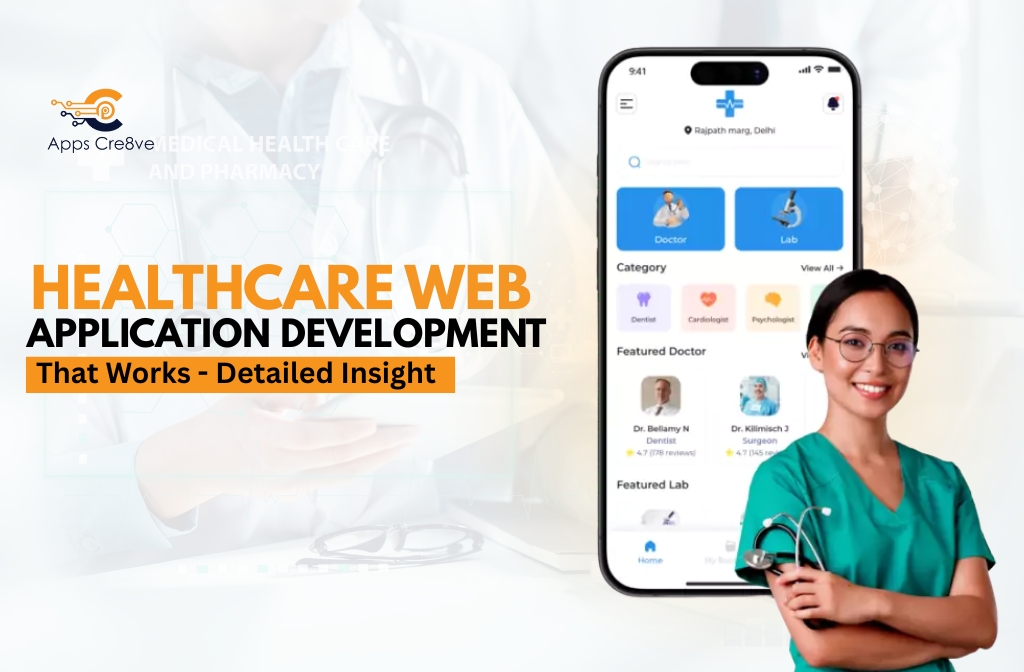
  • Healthcare Web Application Development That Works – Key Insight
    Healthcare Web Application Development That Works – Key Insight

    Healthcare web application development has been a leading technology in the medical field for an extended period of time, but the level of performance has been constantly rising.

    Medical facilities have been able to automate their processes, monitor patient data in a safe setting, and access other contemporary devices through the use of healthcare web application development.

    Designers have specifically created these custom healthcare web apps that healthcare professionals can use to be interoperable with Electronic Health Records (EHR) and telemedicine solutions.

    This piece shines light on the fundamentals of Healthcare Web Application Development, the advantages of using it, the main features it has, and explains.

    That health tech app development is not just a mere concept for the healthcare providers that want to remain competitive—it’s the need of the hour and how to go about doing it.

    Why Invest in Healthcare Web Application Development?

    Healthcare web application development has not only become a trend but has also turned into an exigency. Providing healthcare to patients with increasing demands and regularity norms, healthcare software development provides custom-made solutions that are flexible and scalable to meet the needs.

    One key reason now is the enhanced patient care facilities. Improved accessibility through doctor appointment systems and patient engagement tools contributes significantly to this improvement. Here’s why it is important now.

    • Enhanced Patient Care: Accessibility is improved via doctor appointment systems and patient engagement tools.
    • Data Security: Data security is ensured with HIPAA-compliant web applications. That protect sensitive information.
    • Operational Efficiency: Operational efficiency is enhanced by hospital management systems that streamline workflows.
    • Scalability: Additionally, cloud-based healthcare systems provide scalability to meet increasing demands.

    Ultimately, deciding on a healthcare app development company ensures that private and public medical institutions, along with health tech startups, keep pace with a fast-changing industry.

    Key Features of Effective Healthcare Applications

    Creating an effective healthcare Web Application Development is based on adding functional characteristics that assure convenience and adherence to regulations. Herein are the essential components of digital healthcare solutions:

    FeatureDescription
    EMR IntegrationAllows for real-time data access through a seamless connection to electronic medical records.
    Telemedicine Solutionsimproves patient access to care by enabling virtual consultations.
    Healthcare Analytics DashboardsGive information about operational performance and patient trends.
    Patient Data SecurityGuarantees adherence to HIPAA-compliant web apps guidelines.
    Mobile-Friendly Healthcare Web AppEnhances patient and provider usability across devices.

    These features establish that web app development for healthcare can be as functional as it is user-centric to meet the demands of both patients and clinicians.

    Top Technologies for Healthcare Web App Development

    Opting the right tech stack is key to ensuring scalability, security, and performance. The technologies that enjoy wide usage are:

    TechnologyUse Case in Healthcare
    React.js / AngularBuilding responsive, user-friendly healthcare interfaces
    Node.js / DjangoBackend development for healthcare IT services
    AWS / Azure CloudHosting cloud-based healthcare systems securely
    FHIR / HL7 StandardsEnsuring EHR integration and interoperability
    AI & Machine LearningPowering healthcare analytics dashboards

    By leveraging these tools, healthcare application development companies ensure high-performing solutions for modern clinics and hospitals.

    Benefits of Custom Healthcare Web Apps

    Custom healthcare web apps provide specific answers that existing software cannot. Through healthcare portal development, companies can tackle healthcare-related problems related to a specific audience. This approach yields the following advantages:

    • Personalized User Experience: User-friendly healthcare interfaces that are easy to use increase staff and patient happiness.
    • Seamless Integration: Data flow is streamlined by healthcare CRM and EMR integration.
    • Cost Efficiency: Medical billing software lowers administrative costs.
    • Regulatory Compliance: Compliance with regulations such as HIPAA is guaranteed by health information management.

    By employing healthcare app development services, establishments can carve out solutions that resonate with their aims and upgrade patient service further.

    How to Approach Healthcare Web App Development Services

    To succeed when creating a clinical web application development project, following a strategic plan is crucial. The following is a brief guide that can be used to make the process successful:

    Define Objectives: Recognize what is required, for example, based on patient management software or healthcare analytics dashboards.

    Choose the Right Tech Stack: To enable cloud-based healthcare systems, choose secure, scalable platforms.

    Prioritize Security: Put in place measures for patient data security to ensure that online apps adhere to HIPAA-compliant web apps.

    Focus on Usability: Create accessible, mobile-friendly healthcare web apps that are responsive to devices.

    Test and Iterate: To improve functionality, keep improving the app depending on user input.

    Working together with expert healthcare app developers guarantees a strong, compliant, and productive solution.

    The Role of Telemedicine in Healthcare Web Application Development

    Telemedicine solutions are a very important part of Healthcare Web Application Development nowadays. Embedding virtual care into medical web applications helps in getting remote consultations from providers, which reduces the waiting time and offers better access.

    Not only does it do video conferencing safely and a doctor appointment systems, as well as patient engagement tools, but it also enhances the experience and is a great solution for the healthcare mobile app development companies especially for those who live in remote or rural, undeveloped areas.

    Ensuring HIPAA Compliance in Healthcare Web Apps

    Safety is a must-have in Healthcare Web Application Development. Those HIPAA-compliant web apps protect the information of the patients using not only encryption, but also secure APIs, and regular audits. Consequently, their focus on patient data security will allow developers to gain the trust of the users.

    Moreover, health information management systems ensure that users keep, access, and share the information in a moral way that also meets certain standards and regulations.

    The worldwide digital health industry is rapidly expanding; therefore, you can expect it to rise from USD 452.79 billion in 2023 to USD 1,965.30 billion by 2030, with a CAGR of 23.3%.

    Future Trends in Healthcare Web Application Development

    The future of Healthcare Web Application Development is prospering, as new technologies drive the market. The noticeable innovations are:

    • AI-Powered Analytics: AI provides predictive insights in healthcare analytics dashboards.
    • IoT Integration: Clinical web application development is improved by connected devices.
    • Blockchain for Security: Enhances the security of patient data in the healthcare portal development.
    • Voice-Enabled Interfaces: Make user-friendly healthcare interfaces easier to use by streamlining navigation.

    By keeping up with these trends, healthcare app development companies can offer a lot of new features and greatly increase patient satisfaction.

    Final Verdict

    Healthcare Web Application Development is a game-changer in the health sector by ensuring the best care for patients through technology tools that are fast, safe, and powerful. Be it telemedicine solutions or HIPAA-compliant web apps, these new digital channels allow healthcare providers to meet the needs of the digital-savvy. With the help of custom healthcare web apps and the use of healthcare app development services, organizations can improve operations.

    Are you ready to come up with a first-rate medical web application? Collaborate with an experienced team of healthcare application development company experts to realize your idea.

    Want to discover the Healthcare Web Application Development for your company? Get in touch with us right away for custom health tech app development solutions.

    FAQs

    How good is healthcare Web Application Development?

    It develops unique applications to effectively optimize data security, patient care, and healthcare operations.

    What are the advantages of telemedicine solutions for healthcare applications?

    They enhance patient access, facilitate virtual consultations, and easily interface with systems for scheduling doctors’ appointments.

    Are all online applications required to comply with HIPAA?

    In healthcare software development projects, they do—guarantee patient data security, regulatory compliance, and trust.

    What functionalities ought to be present in online apps for healthcare?

    Analytics dashboards, mobile-friendly interfaces, and EMR integration improve provider usability and operational effectiveness.

    Is it preferred to go with custom web apps for healthcare?

    For best results, they provide scalability, interaction with hospital administration systems, and customized patient engagement tools.

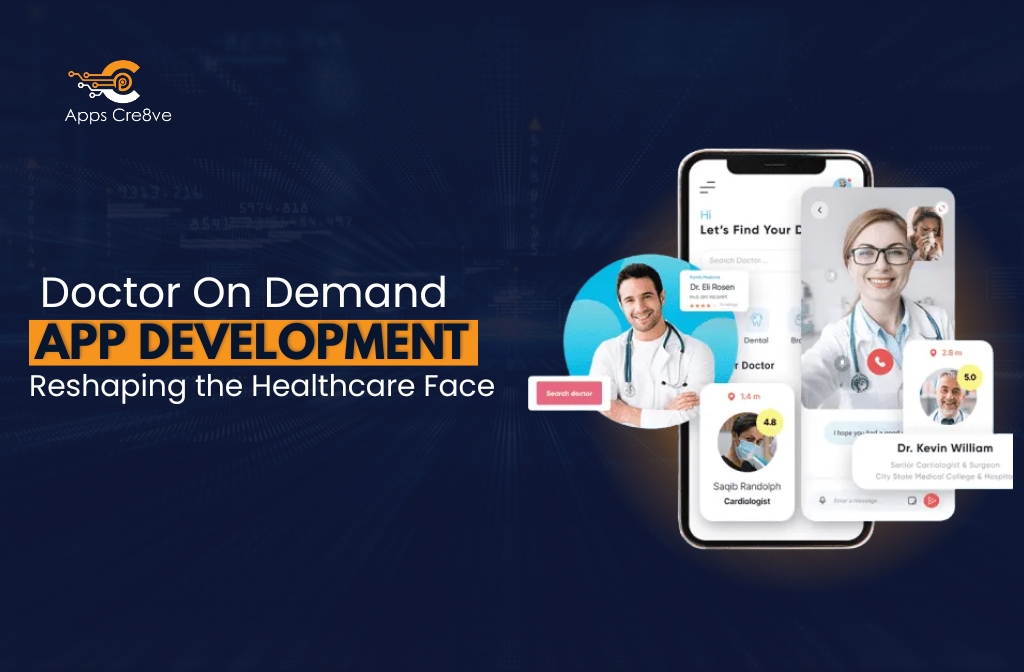
  • Doctor On Demand App Development: Reshaping the Healthcare Face
    Doctor On Demand App Development: Reshaping the Healthcare Face

    The healthcare industry is changing, with Doctor On Demand App Development leading this transformation. On-Demand Applications Development offers enhanced patient care through virtual doctor consultation apps, providing instant access to medical professionals. On-demand healthcare apps equipped with secure video consultations and real-time appointment scheduling features are opening up new frontiers of accessibility.

    In this blog, we will discuss telemedicine app development fundamentals, opportunities, keystone features, and business enhancements through custom doctor apps for patient care optimization. Also, we will shed light on why it is important for patients and caretakers in 2025.

    Since the pandemic, the telemedicine sector has experienced rapid expansion, and according to Statista, the market is projected to reach over 460 billion USD by 2030. According to a McKinsey analysis, the use of telehealth has grown 38 times more than it did prior to the epidemic.

    Why Doctor On Demand App Development Matters

    The international telehealth market is rapidly expanding, with mobile applications for booking doctor appointments contributing significantly to this growth. The Doctor On Demand App Development platform aims to resolve not just the growing demand for convenient, accessible healthcare but also to cater to the rapid changes in medical technology.

    The following highlights the reasons why developing a mobile application for healthcare services can be a worthwhile investment for businesses, especially those looking for a healthcare app development company:

    The importance of this systematic approach is noted in the following:

    Instant Access: Virtual consultations are becoming the new standard due to the pandemic’s acceleration of the usage of telehealth app development services. Patient-doctor video consultation apps enable instant connectivity to doctors within a few minutes.

    Cost Efficiency: Medical consultation app development through healthcare app development services minimizes costs associated with in-person consultations. Time and money are saved by reducing hospital visits with on-demand healthcare apps.

    Patient Satisfaction: In telemedicine app development, features like AI-driven diagnostics, e-prescriptions, and appointment reminders increase patient satisfaction and engagement. Patients trust and engage more with user-friendly healthcare apps; hence, good services improve trust.

    Scalability: Cloud-based telehealth platforms can adjust to an increasing number of users.

    A healthcare mobile app development companies investment is the best way for providers to maintain their edge in a digital-first world.

    Core Features of Doctor On Demand Apps

    To make a Doctor On Demand App Development a successful one, usability and compliance should be the top priority aspects to be covered. The following are some of the important parts that each hospital should have to offer a consultation with a doctor on the phone. The custom doctor-on-demand solutions should include:

    FeatureDescription
    Secure Video ConsultationsEnables encrypted, real-time patient-doctor video consultation apps for care.
    Real-Time Appointment SchedulingSimplifies booking via doctor appointment booking apps for patients.
    EHR/EMR IntegrationConnects with Electronic Health Records for seamless data management.
    In-App Payment GatewaysSupports secure transactions within on-demand healthcare apps.
    Patient Health MonitoringTracks vitals using health tracking tools for proactive care.

    Benefits of Custom Doctor On-Demand Solutions

    Custom doctor-on-demand solutions give a personal touch that is generally not present in generic applications. Healthcare providers can meet the demands of the patients via a Doctor On Demand App Development that is tailor-made. Important advantages include:

    • Enhanced Accessibility: The Telemedicine app development makes care available anywhere, at any time.
    • Data Security: Protecting patient data is one of the roles of the HIPAA-compliant telehealth apps.
    • Streamlined Operations: Doctor appointment booking apps cut down on administrative work.
    • Personalized Care: Targeted health insights are provided by patient health monitoring tools and systems.

    Medical consultation app development gives healthcare providers the power to care for their patients more efficiently, thereby enhancing the quality of patient care in the process.

    Steps for Successful Doctor On Demand App Development

    Putting together a virtual doctor consultation app needs to be done strategically. Here’s how you can make sure your Doctor On Demand App Development is a success:

    Identify Requirements: Determine your competition and target audiences. Describe essential characteristics based on the trends of on-demand medical apps. To define objectives, for instance, real-time appointment scheduling, and EHR/EMR integration.

    • Select a Tech Stack: Resort to the use of robust, scalable platforms for cloud-based telehealth platforms.
    • Ensure Compliance: Implement HIPAA-compliant telehealth apps to comply with the laws.
    • Prioritize UX: Design user-friendly healthcare apps to operate without having to think much about them. Make sure that all age groups can access it.
    • Test Thoroughly: Verify functionality to guarantee dependability when developing mobile apps for healthcare.

    Getting involved with the finest telehealth app development service providers is undoubtedly the route to creating a robust application that is in full compliance with the regulations.

    Steps for Successful Doctor On Demand App Development

    Putting together a virtual doctor consultation app needs to be done strategically. Here’s how you can make sure your Doctor On Demand App Development is a success:

    • Identify Requirements: Determine your competition and target audiences. Describe essential characteristics based on the trends of on-demand medical apps. To define objectives, for instance, real-time appointment scheduling, and EHR/EMR integration.
    • Select a Tech Stack: Resort to the use of robust, scalable platforms for cloud-based telehealth platforms.
    • Ensure Compliance: Implement HIPAA-compliant telehealth apps to comply with the laws.
    • Prioritize UX: Design user-friendly healthcare apps to operate without having to think much about them. Make sure that all age groups can access it.
    • Test Thoroughly: Verify functionality to guarantee dependability when developing mobile apps for healthcare.

    Getting involved with the finest telehealth app development service providers is undoubtedly the route to creating a robust application that is in full compliance with the regulations.

    Tech Stack for Doctor On Demand App Development

    ComponentTechnologies
    FrontendReact Native, Flutter, Swift (iOS), Kotlin (Android)
    BackendNode.js, Django, Ruby on Rails
    DatabaseMongoDB, PostgreSQL, Firebase
    Video CallingWebRTC, Twilio, Agora
    Cloud StorageAWS, Google Cloud, Azure
    Payment GatewayStripe, PayPal, Razorpay

    The Role of Telemedicine in Doctor On Demand Apps

    Telemedicine app development is central to Doctor On Demand App Development. By enabling secure video consultations, these apps facilitate remote care, reducing wait times and improving access. Features like in-app chat support and patient health monitoring enhance the digital wellness, patient experience, making on-demand healthcare apps indispensable for modern healthcare delivery, especially in underserved areas.

    Doctor On Demand App Development also revolves around the Telemedicine app development. Such apps, through the use of secure video consultations, relieve the potential overcrowding of hospitals by providing remote care. Additionally, in-app chat support as well as patient health monitoring of the full gamut of patient experience, thus making on-demand healthcare apps crucial for contemporary healthcare delivery, particularly in areas with inadequate facilities.

    Ensuring HIPAA Compliance in Doctor On Demand Apps

    Doctor On Demand App Development needs to adhere to certain compliance standards. To ensure that telehealth apps are HIPAA-compliant, healthcare app developers must use encryption and secure APIs to protect patient data. Following healthcare data security protocols allows for the creation of trust by the end user. Moreover, EHR/EMR integration guarantees secure data management, which fulfills both regulatory requirements and the new medical consultation app that is being developed.

    Future Trends in Doctor On Demand App Development

    There is a great future for Doctor On Demand App Development, with the help of new technologies that are opening the door for growth. The trends that will dominate your attention include:

    • AI-Driven Diagnostics: Provides predicted insights to improve patient health monitoring. AI chatbots and machine learning programs use this approach to determine the nature of the health problem.
    • Wearable Integration: Provides real-time data via connecting health tracking tools. Connect to fitness trackers to continuously monitor the health status.
    • Blockchain Security: Enhances telehealth app development services’ protection of patient data. Distributed databases for health records to make them more secure.
    • Voice-Enabled Features: Makes user-friendly healthcare apps to use by streamlining navigation.Delve into the world of virtual and augmented reality to have engaging, information-rich conversations between the doctor and the patient.

    Keeping up with the latest trends makes Doctor On Demand App Development always in the forefront and making the biggest impact.

    Final Verdict

    The Doctor on Demand app Development has become a major innovation in the healthcare industry by creating a channel for the development and distribution of on-demand healthcare apps that underscore accessibility, safety, and efficiency.

    The various solutions, such as secure video consultations and HIPAA-compliant telehealth apps, enable the medical staff to address the patients’ needs. If healthcare organizations decide to create their custom doctor-on-demand solutions, they can be more effective by embracing this trend. Do you want to create a virtual doctor consultation app that will change the industry?

    Look for the right healthcare mobile app development that can help you create new and innovative health solutions in the industry.

    FAQs

    What is the doctor-on-demand app development?

    Developing mobile applications that link patients and healthcare professionals for remote medical services, appointment scheduling, and virtual consultations.

    What is the operation of a telemedicine app?

    Patients can safely access medical records online, schedule appointments, receive e-prescriptions, and consult doctors via video conversations.

    What are an on-demand healthcare app’s salient characteristics?

    Appointment scheduling, video consultations, payment gateways, EHR integration, and AI-powered symptom checks for improved patient care are all crucial elements.

    How much does it cost to create an app for scheduling doctors’ appointments?

    Features, platform (iOS/Android), and complexity all affect the price, which normally ranges from $30,000 to $150,000 for a fully functional medical billing software.

    Do medical consultation apps need to comply with HIPAA?

    Off course, maintaining secure communication in telehealth apps and safeguarding patient data depend heavily on HIPAA compliance.

  • How Medical Billing Software is Changing the Face of Healthcare
    How Medical Billing Software is Changing the Face of Healthcare

    Technology breakthroughs are driving a massive revolution in the healthcare sector. Medical billing software is one of these breakthroughs that stands out as being particularly important. This software revolutionizes how healthcare practitioners handle their billing procedures, improving patient satisfaction, efficiency, and accuracy. Lets explore the significant effects of billing software on healthcare and the positive changes it is bringing about.

    The Role of Medical Billing Software in Healthcare:

    Managing patient bills, insurance claims, and payments is a difficult and time-consuming part of medical billing. Conventional approaches frequently result in mistakes, hold-ups, and paperwork hassles. Medical billing software resolves these issues by streamlining and automating the entire billing process. This is how it operates:


    • Medical billing software automates several operations, such as creating invoices, handling insurance claims, and tracking payments. This quickens the billing cycle and lessens the possibility of human error.

    • Improved Accuracy: Inaccuracies in manual billing procedures might result in revenue losses and claim denials. By reducing human entry, cross-referencing data, and validating data, medical software assures accuracy.

    • Enhanced Compliance: Insurance plans and healthcare laws are always changing. By automatically updating with the most recent regulatory changes and ensuring that all claims match the necessary requirements, This software assists healthcare providers in maintaining compliance.

    • Data Security: In the healthcare industry, patient information protection is crucial. Medical billing platforms provide strong security features, including encryption and access controls, to protect sensitive data.

    Benefits of Medical Billing Software for Healthcare Providers:


    • Increased Efficiency: Medical billing software helps healthcare practitioners concentrate more on patient care by automating monotonous procedures. Better resource management and higher productivity result from this.

    • Faster Payments: Autonomous billing systems guarantee correct and timely submission of claims, which accelerates insurance company reimbursement. Healthcare providers benefit from improved cash flow and financial stability as a result.

    • Cost Savings: Using software for medical billing can save a lot of money on overhead. Healthcare providers can save time and costs associated with billing operations by eliminating errors and optimizing workflows.

    • Improved Patient Satisfaction: Timely and accurate invoicing procedures improve the general patient experience. Patients receive clear and succinct billing statements, eliminating uncertainty and promoting trust in the healthcare provider.

    • Better Financial Management: Detailed financial reports and analytics are given to healthcare providers via medical billing software. They are able to check overdue payments, keep an eye on revenue, and make wise financial decisions as a result.

    Custom Software Development for Medical Billing:

    Healthcare providers frequently resort to custom software development in order to completely obtain the advantages of health billing software. Tailored solutions are advantageous due to their ability to address the unique requirements and operational procedures of the company.

    • Scalability: Personalized software for medical billing can be expanded to meet the healthcare provider’s expanding requirements. This guarantees that the software will continue to function well as the company grows.

    • Integration: Practice management software and electronic health records (EHRs) are two examples of current healthcare systems that can be easily connected with custom solutions. Data consistency and interoperability are facilitated by this.

    • Flexibility: Healthcare providers can implement special features and capabilities that meet their particular needs using custom med billing software. Somewhat lacking from off-the-shelf alternatives is this flexibility.

    • Competitive Advantage: Healthcare providers can set themselves apart from rivals by investing in specialized med billing software. A customized solution can provide you a competitive edge by improving patient happiness and operational efficiency.

    •  

    •  

    •  

    Choosing the Best Software Development Company:

    Medical billing software installation requires careful consideration while choosing the best software development company. Here are some crucial things to remember:

    Experience in healthcare software development: Choose a business that has a track record of creating healthcare solutions. They ought to be aware of the particular difficulties and rules that the sector faces.

    Customization Capabilities: Make sure the business provides custom software development services. This feature enables you to customize the med billing software to meet your unique requirements.

    Technical Expertise: The best software development companies employ a group of talented developers who are up to date on the newest approaches and technology. They ought to be able to provide scalable, secure, and high-quality solutions.

    Client References and Reviews: examine the company’s reputation by reading endorsements and reviews from past customers. Reaching out to former customers might yield insightful information about their experiences and level of satisfaction with the business’s offerings.

    Support and Maintenance: Ongoing support and maintenance services are provided by a reputable software development company. This guarantees that throughout time, your med billings software will continue to be current and functional.

    Case Study: A Success Story in Medical Billing Software Implementation:

    Let’s look at a case study of a healthcare provider that successfully adopted a custom solution to demonstrate the impact of medical billing software.

    Healthcare Provider Y: Streamlining Billing Operations with Custom Software

    Due to severe difficulties with their manual billing procedures, Healthcare Provider Y frequently made mistakes, had their claims denied, and received funds after the deadline. They made the decision to collaborate with a software development company in the Chicago development business to create a unique medical billing software program.

    • Challenge: The challenge lies in the elevated rates of errors and protracted billing procedures, leading to a decline in revenue and discontent among patients.

    • Solution: The software development company produced customized billing software that guaranteed regulatory compliance, automated billing operations, and integrated with current systems.

    • Outcome: The new program expedited claim processing times, decreased billing errors by 80%, and enhanced cash flow. Accurate and straightforward billing statements also contributed to a rise in patient satisfaction.

    •  

    •  

    This case study shows how the use of medical billings software may significantly increase patient satisfaction, efficiency, and accuracy in healthcare billing operations.

    Future Trends in Medical Billing Software:

    Medical billing software is probably going to have additional features and capabilities as technology develops further.

    • Artificial Intelligence (AI) and Machine Learning (ML): Artificial Intelligence (AI) and Machine Learning (ML) are two examples of new trends. By anticipating claim outcomes, identifying fraud, and streamlining billing procedures, AI and ML can improve healthcare billing software.

    • Blockchain Technology: By guaranteeing that every transaction is precisely documented and traceable, blockchain can enhance data security and transparency in medical billing.

    • Mobile App Software Development: By combining health care billing software with mobile apps, healthcare providers will be able to handle billing duties while on the go, improving accessibility and convenience.
    • Telehealth Integration: With the expansion of telehealth services, the integration of software for medical billing with telehealth platforms will simplify the billing process for remote patient monitoring and virtual consultations.


    Final Thought:


    Without a doubt, medical billing software is transforming the healthcare industry. The practice of automating and optimizing billing procedures improves accuracy, efficiency, and patient happiness. A reliable software development company can help healthcare providers gain a competitive edge and guarantee long-term success by helping them invest in custom health care billing software. The benefits of software for medical billing can be further optimized by keeping up with developing trends as technology develops, which will open the door to a more patient-centered and efficient healthcare system.

  • Top Fitness Apps for Monitoring Your Progress in 2024
    Top Fitness Apps for Monitoring Your Progress in 2024

    With the rise of fitness apps, maintaining a healthy lifestyle has never been simpler. These resources support you in setting objectives, monitoring your development, and maintaining motivation while you pursue fitness. We highlight the top workout apps for tracking your progress in 2024, focusing on the greatest workout apps for novices, the best fitness apps for Android, and the best fitness apps for women.

    MyFitnessPal: Nutritional Tracking Fitness Apps

    One of the greatest fitness apps for iOS and Android is still MyFitnessPal. You may track your calorie intake, keep an eye on your nutritional objectives, and log your meals with this app. It’s very user-friendly, especially for people who are new to tracking their fitness, thanks to its large food database and barcode scanner.

    Nike Training Club: High-Quality Workouts for All Levels

    Nike Training Club has a large collection of exercises spanning from strength training to yoga, making it one of the finest fitness apps for novices. This app provides both premium and free material, guaranteeing excellent exercise programs that meet different fitness objectives and levels.

    Fitbit: Seamless Integration with Wearables

    Although Fitbit is most recognized for its wearable activity trackers, its app is just as good. Your Fitbit device and its fitness software work together to track your heart rate, steps, and sleep habits. For anyone who wants to keep an all-encompassing record of their fitness journey, it’s a great tool.

    Sweat: Tailored Workouts for Women

    Fitness celebrity Kayla Itsines developed Sweat, which is considered one of the greatest fitness apps for women. It provides a range of exercise regimens, such as strength training, postpartum exercises, and high-intensity interval training (HIIT). Women of all fitness levels can find inspiration and encouragement from Sweat’s network.

    Strava: For the Competitive Athlete

    For bikers and runners who want to monitor their performance and compete with others, Strava is ideal. This fitness app logs your routes, lengths, and times using GPS. Athletes who like to compete in local competitions and analyze their performance statistics love it.

    Freeletics: Personalized AI Workouts

    Freeletics offers AI-driven personalized workouts tailored to your goals and fitness level. With the opportunity to purchase more features, it’s one of the greatest fitness apps available for free. If you want a customized training experience without having to pay for a personal trainer, this app is great.

    JEFIT: Comprehensive Gym Workout Planner

    One of the greatest training apps for both new and experienced gym patrons is JEFIT. It provides a large selection of workout routines, progress tracking, and workout plan customization. Those who enjoy strength training and weightlifting may find this fitness applications very helpful.

    Map My Run: Track Your Runs with Precision

    For those who enjoy jogging, Under Armour’s Map My Run is an essential product. You may use it to record your running routes, keep an eye on your pace, and create new objectives. It is an adaptable tool for runners of various skill levels due to its interaction with wearables and other fitness apps.

    Fitness Apps & Mobile App Development:

    Custom mobile app development services are becoming increasingly popular among startups and established organizations due to the growing need for personalized fitness apps. These services aid in the development of customized fitness programs that meet the demands of certain users and provide special features absent from generic apps.

    App Developers in Florida: A Hub for Innovation

    With a large number of app development companies providing custom solutions, Florida has emerged as a center for cutting edge mobile app development. Mobile app developers in Florida can offer top-notch services for creating new fitness apps or improving ones that already exist.

    App Development Tailoring Fitness Solutions:

    Miami hosts numerous excellent app development firms specializing in fitness apps. These businesses, such as the well-known Apps Cre8ve app development company Florida, provide experience in developing fitness tracking solutions. Consider mobile app development in Miami, renowned for its innovative and high-tech skills, if you’re a fitness business owner.

    Leading the Way in Fitness Apps Innovation:

    Mobile app development Miami are at the forefront of innovative fitness apps development. They offer a special fusion of technological know-how and creativity to produce apps that stick out in a crowded market. App developers Miami have the know-how to create apps that are ideal for female users, novices, or experienced athletes.


    Conclusion:


    In the top fitness apps of 2024, there are numerous available functions that help in goal setting and achieve progress and motivation. However, it is necessary to find an application for each person, starting from the best free workout apps and ending with the applications that are created for a particular purpose, for example, best fitness apps for women. Moreover, Florida and Miami mobile application developers ensure that these applications are always evolving, given the impressive levels of skilled workforce. These fitness apps can help you make the right choices that will in one way or the other increase your chances of achieving the necessary health and fitness goals be it in the capacity of an athlete or novice.

  • Wellness Apps Alchemy: Transforming Wellness into Everyday Magic
    Wellness Apps Alchemy: Transforming Wellness into Everyday Magic

    In the digital era of transformation. Wellness apps have turned into constant companions in the pursuit of comprehensive well-being. 

    Ranging from meditation, mindfulness, and fitness. Tracking to nutrition and wellness guidance. These digital tools open up a way to a healthier and more balanced lifestyle.


    Wellness Apps  in the Digital Era

    Wellness has more than just physical meaning because it is related to your mental and spiritual well-being. 

    The wellness apps make use of technology, with the expertise of Apps Cre8ve a dedicated app development company, to cover the areas extensively, offering users the tools and resources to promote both physical and mental well-being.


    Tailoring Wellness Apps to Individual Needs

    One of the good sides of wellness apps is the individualization of the user experience.

    The applications utilizing the latest algorithms and user-input features recommend content and recommendations that relate to each individual’s goals, interests, preferences, and lifestyle.

    Cultivating Inner Peace


    Guidance is available for applies of mindfulness and meditation in the form of practices of guided sitting, controlled breathing, and meditation sessions which help in building inner peace, reducing stress, and sharpening the mind. 

    Only a couple of taps on wellness apps can uncover an adventure of self-establishment and tranquility.


    Empowering Healthy Habits

    With the help of fitness and nutrition tracking apps, users can keep track of their physical activity, monitor their diets, and establish individual goals. 

    Such apps work by supplying useful information and feedback, which in turn, motivates the users to make deliberate decisions and adhere to healthier lifestyles.


    Prioritizing Rest and Relaxation

    Sleep improvement applications and stress management applications provide users with tools and skills to help them have a good sleeping pattern, manage stress, and promote overall wellness.

    In contrast to the ones that are developed to hinder sleep, these apps are purposefully designed to offer good-quality rest.

    Building Connections with Wellness Apps


    Stress management and best sleep apps give people the functionality of devices that guide users to enhance their sleep systems, regulate stress levels, and maintain their health. 

    From sounds that make one relax to exercises meant to induce relaxation. Cross-platform app development company are created to promote restorative sleep and relaxation.


    The Role of Technology in Wellness Innovation

    The opportunities for wellness innovation will continue to increase with the technologies and e-commerce app development services.

    Starting with wearable devices designed to track biometric data right through to AI technology-powered virtual coaches that offer personal guidance to each person, the prospects of wellness apps are full of possibilities.


    A Lifestyle Choice

    Health doesn’t mean just using apps, it means a lifestyle that focuses on self-care, balance, and complete satisfaction.

    Engagement in personal wellness nowadays relies greatly on wellness apps that become invaluable resources on this journey, allowing users to take ownership of their health by making changes that are healthy and sustainable.

    Conclusion

    To sum up, wellness apps are instances of this perfect blend of technology with wellness. Which turn even the ordinary daily routines into magical moments of self-exploration and personal growth. 

    Through mastering such digital tools. One can set off on a voyage of personal transformation. That will eventually result in regaining balance, vigor, and fulfillment in all areas of their lives. 

    May we find the real chemistry of well-being in the mobile app development company Florida, wellness apps and unleash our maximum potential in the times of the digital revolution.